The Independence Barrier: How Robert Norris Redefined Ironman History
For years, the sports world believed the ultimate ceiling for athletes with Down syndrome in long-distance triathlon had already been reached. In 2020, the first finish by an athlete with Down syndrome was celebrated globally.
But a critical chapter of that story was still unwritten.
While the 2020 milestone proved that participation was possible, it was achieved through a guided format—using tethers, escorts, and external decision-makers to navigate the grueling 140.6-mile course.
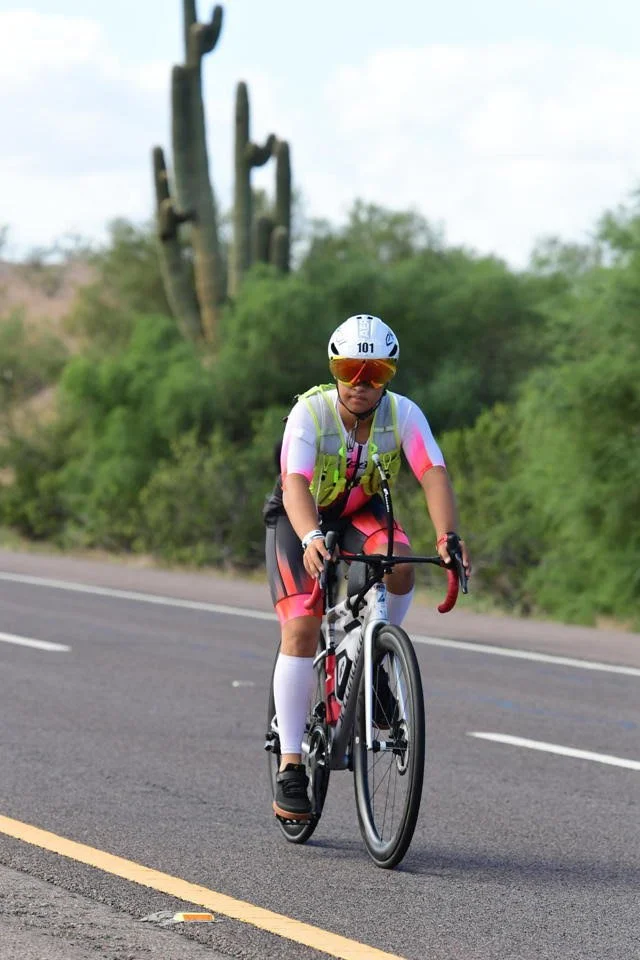
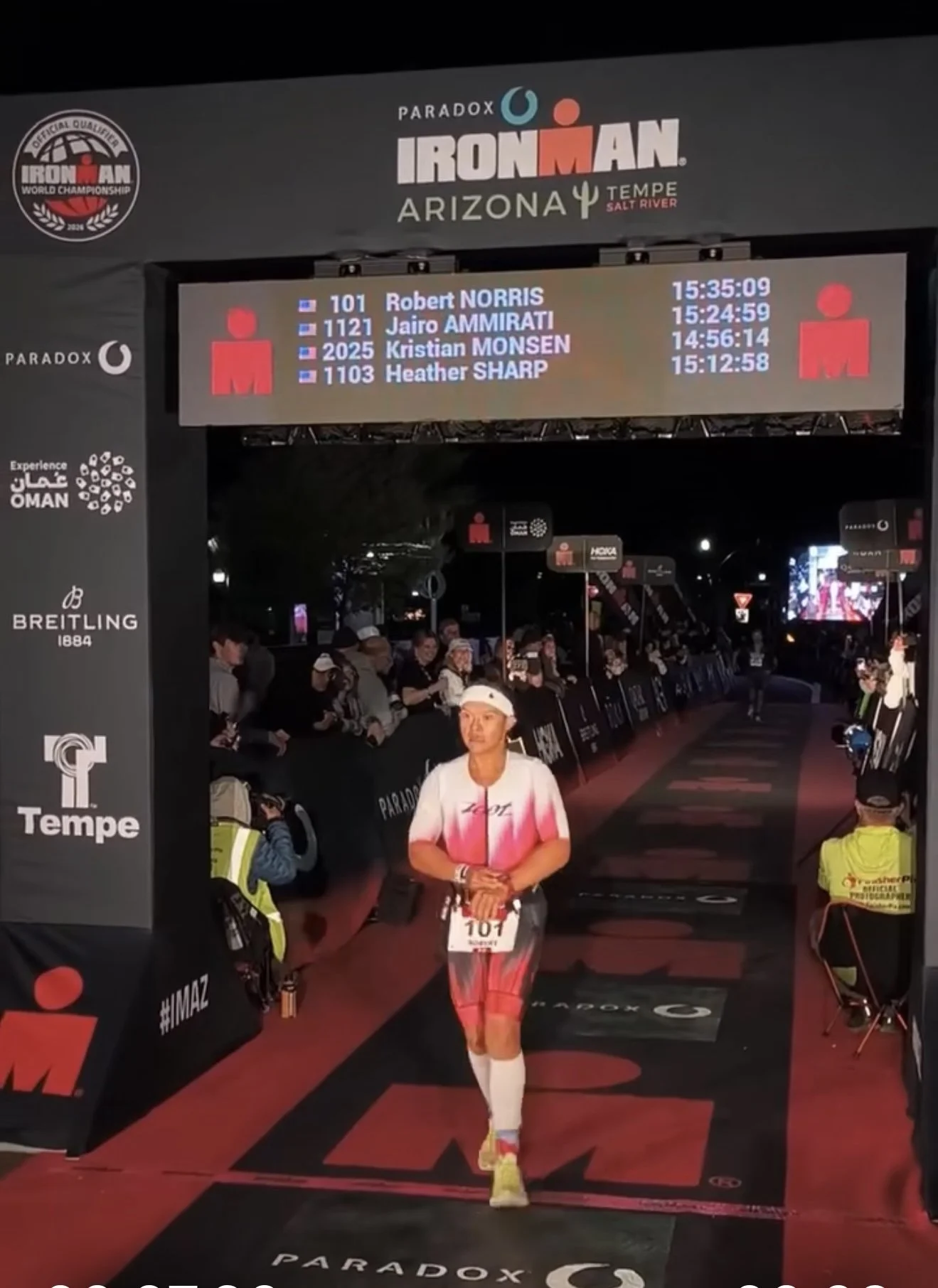
Robert Norris has now changed the narrative entirely. By completing a full-distance Ironman independently, untethered, and unguided, Robert didn't just finish a race; he established a new category of human achievement.
Defining the Distinction: Guided vs. Independent
In the world of elite endurance sports, the standard of competition is defined by autonomy. While guided divisions provide vital accessibility, the "Independent" standard is the baseline for the general field.
To meet this standard, an athlete must:
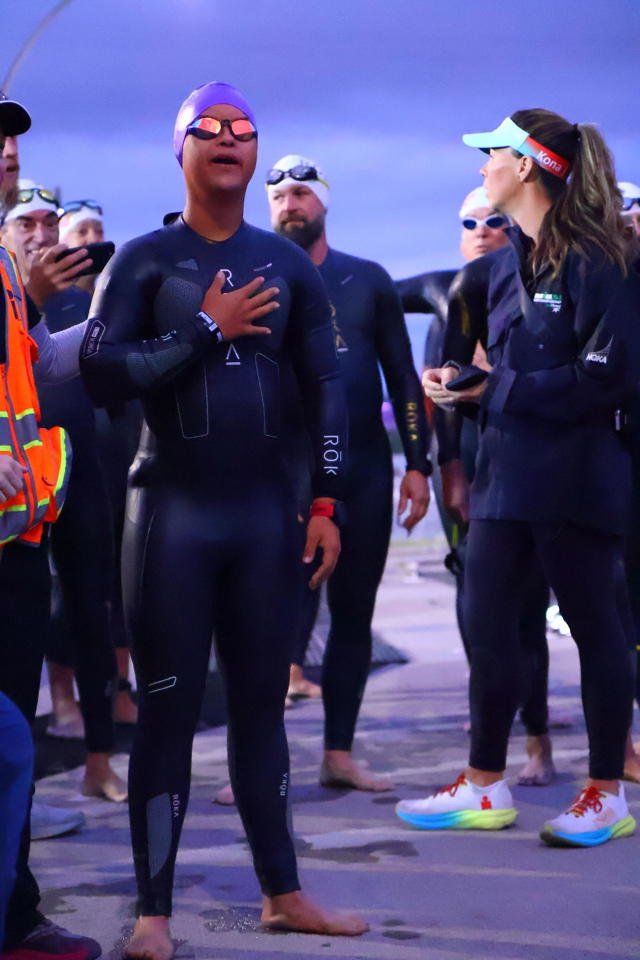
Navigate the Swim Alone: No tethers or pacing guides in open water.
Execute Bike Safety: Managing technical handling, mechanical issues, and pacing without a side-by-side escort.
Autonomous Decision-Making: Managing nutrition, hydration, and mental stamina for 17 consecutive hours without external prompts.
Robert Norris is the first athlete with Down syndrome to meet this exact competitive standard. He navigated the same course, under the same rules, with the same level of autonomy as every other athlete on the field.
A New Guinness World Record
The distinction between these two types of finishes is so significant that it has been formally recognized by Guinness World Records. There are now two distinct historical marks:
The First Guided Finish: Breaking the participation barrier.
The First Independent Finish: Breaking the independence barrier.
Robert Norris holds the latter. By securing this title, he has effectively updated the global understanding of what is possible for athletes with intellectual disabilities.
"This is not a 'feel-good' story. This is a sports evolution story."
Overturning Decades of Assumptions
For decades, the consensus among coaches and race directors was that the cognitive and physical demands of a 140.6-mile race required a guide for athletes with Down syndrome. The assumption was that the safety risks and navigational complexities were too high to manage alone.
Robert proved that assumption wrong.
His achievement forces a recalibration of how we view capability. It opens a new pathway for mixed-ability competitors and challenges governing bodies to rethink the support structures—or lack thereof—needed for athletes to compete at the highest level of autonomy.
The Global Implications
This isn't just about a medal or a finish line. Robert’s journey provides a blueprint for:
Families: Redefining the ceiling for what their children can achieve independently.
Coaches: Developing new training methodologies for athletes with intellectual disabilities.
The Sport of Triathlon: Moving toward a more inclusive, yet uncompromising, standard of competition.
The public believes the Ironman barrier was broken years ago. In reality, Robert Norris just shattered the glass ceiling that remained. He has placed the athlete with Down syndrome in the same competitive category as the rest of the world.
This is the moment the sport changes.
Media & Inquiries
Robert Norris and his coaching team are available for sports analysis, feature profiles, and documentary segments regarding this historic achievement.
Contact: team@robertnorrismanofiron.com